Treatment of urinary tract disorders

Treatment of urinary tract disorders
Urinary tract disorders encompass a range of conditions affecting the kidneys, ureters, bladder, and urethra. These conditions can be acute or chronic and often require prompt diagnosis and appropriate treatment to prevent serious complications. Delayed treatment may lead to permanent kidney damage, deterioration of overall health, and reduced quality of life.
The urinary tract plays a crucial role in the excretion of waste products and the maintenance of fluid and electrolyte balance. Any disruption in this system can cause a wide range of systemic consequences, including high blood pressure, inflammatory processes, and metabolic imbalances. Timely recognition and treatment of urinary tract diseases are essential for preserving kidney health and function.
Symptoms of Urinary Tract Disorders
Symptoms vary depending on the type and severity of the condition. Common signs include:
- Pain or burning during urination
- Frequent or difficult urination
- Feeling of incomplete bladder emptying
In the case of kidney stones, patients may also experience severe pain in the kidney region or lower back. Beyond local symptoms, urinary tract disorders can cause general discomfort such as fatigue, weakness, elevated temperature, or fever, especially in infections like pyelonephritis and cystitis. Chronic infections or prolonged presence of stones can result in permanent kidney damage.
Symptoms may appear intermittently or persistently, highlighting the importance of timely medical evaluation. Early diagnosis allows for appropriate therapy, reduces the risk of complications, and helps preserve urinary tract function.
Causes of Urinary Tract Disorders
Understanding the causes of these diseases is key to prevention and effective treatment. Urinary tract disorders often have a multifactorial origin, meaning several factors contribute to their development.
Infections are among the most common causes. Bacteria, viruses, and fungi can trigger inflammation in the bladder, urethra, and kidneys. Pyelonephritis and cystitis are among the most frequent bacterial urinary tract infections.
Metabolic and physiological disorders also play a significant role. Stones form due to changes in urine composition, elevated levels of calcium or uric acid, or insufficient fluid intake. Chronic conditions such as diabetes, hypertension, or high cholesterol further increase the risk of complications.
Lifestyle factors are an additional risk element. Inadequate fluid intake, poor diet, smoking, and neglect of personal hygiene increase the likelihood of urinary tract infections and stone formation. Recognizing these factors allows for preventive measures and personalized therapy.
Treatment and Therapeutic Approaches
Treatment of urinary tract disorders depends on the type of disease, symptom severity, and overall health of the patient. The goals of therapy are to preserve kidney and urinary tract function, control symptoms, and prevent complications.
Pharmacological therapy may include:
- Antibiotics for infections
- Medications to regulate kidney function
- Anti-inflammatory drugs
- Diuretics as needed
Treatment is individualized based on diagnostic findings and patient progress, with continuous monitoring and potential adjustments to therapy.
Lifestyle and dietary changes contribute to long-term urinary tract health. Optimal fluid intake, reduced salt consumption, control of chronic conditions, regular physical activity, and education on infection prevention are integral parts of a modern treatment approach.
In severe cases, specialized medical procedures may be necessary, including dialysis or minimally invasive surgery.
Urinary Tract Treatment and Rehabilitation at Prolom Banja
Prolom Spa offers specialized programs for the treatment of urinary tract disorders, combining the therapeutic effects of Prolom water with professional medical supervision. The program is designed for patients with kidney stones and sand, chronic infections (pyelonephritis, cystitis, prostatitis), as well as individuals recovering from surgical procedures. A minimum stay of seven nights allows for optimal therapeutic results.
Medical supervision includes:
- Medical examinations at the beginning, middle, and end of the stay
- 24-hour availability of medical staff
- Detailed laboratory analyses of urine and electrolytes
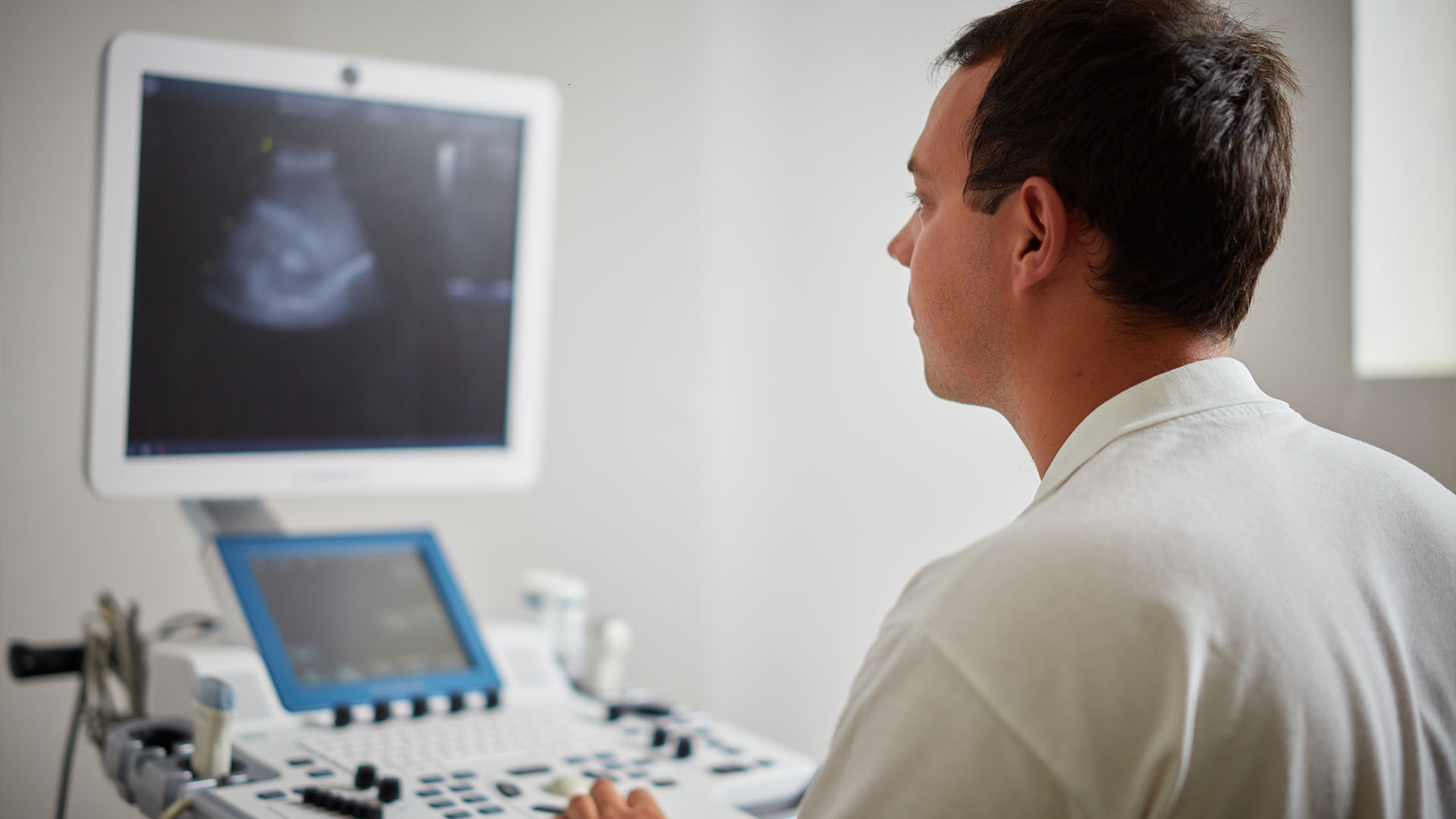
- Abdominal ultrasound examinations
- Educational lectures on prevention and home care
The therapeutic program includes:
- Balneotherapy: drinking Prolom water, pearl baths, and medicinal mud applications
- Physical therapy: ultrasound massage, electrotherapy as recommended by the physician
- Kinesiotherapy: morning exercises, group pool exercises
- Recovery activities: walks along health trails, use of the gym
Accommodation with full board, a Wellness Center, indoor pool, parking, and Wi-Fi provides patients with a safe and high-quality environment for recovery.

An Exclusive Retreat for Relaxation and Wellness
Discover an exclusive retreat for relaxation and wellness, where peace, luxury, and revitalization unite the body, mind, and energy of every guest.
Our Story on Instagram
We share with you the magic of Prolom Spa through images and stories from the heart of the spa.


